

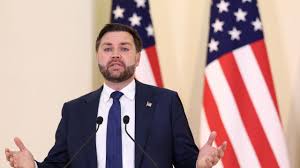
Geneva/Washington: The second round of nuclear negotiations between United States and Iran has ended without a breakthrough, as Tehran remains unwilling to engage on key U.S. “red lines,” according to U.S. Vice President JD Vance.
In an interview, Vance described the latest round of talks as “constructive in certain aspects,” but admitted that fundamental disagreements continue to block meaningful progress. He emphasized that Washington’s top priority remains preventing Iran from developing nuclear weapons and stated that “all options remain on the table” to achieve that objective.
Although both sides agreed to exchange draft proposals for a potential agreement, Vance declined to disclose specific details of the U.S. red lines. He noted that compliance with American conditions would be essential for any future deal to move forward. The next phase of negotiations will be determined after both parties review each other’s draft texts.
The U.S. Vice President also expressed hope that diplomacy would not fail. However, he made it clear that the final decision on whether to abandon the talks would rest with President Donald Trump if negotiations reach a dead end.
The second round of negotiations is taking place in Geneva, where diplomats from both countries are discussing confidence-building measures, the future of economic sanctions, and limitations on Iran’s nuclear program. Despite ongoing discussions, no formal agreement or major breakthrough has been announced so far.
More Read

Analysts believe the deadlock over U.S. red lines reflects long-standing disagreements over uranium enrichment levels, international inspections, and sanctions relief. While both Washington and Tehran continue to signal a willingness to keep talking, the absence of compromise on core issues suggests that a final deal may still be difficult to achieve in the near future.