

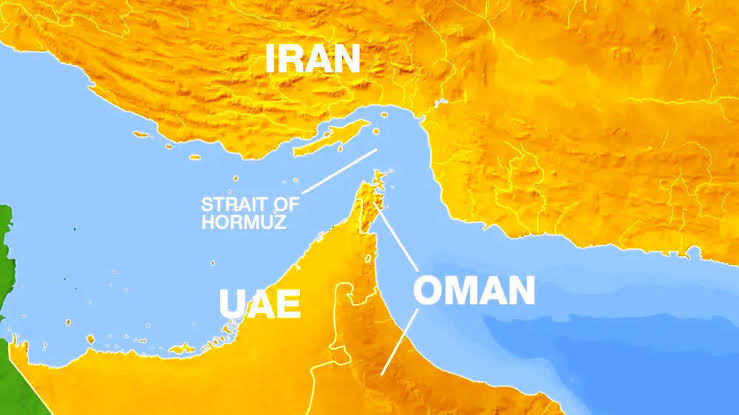
DUBAI, — Oman has presented Iran with a Gulf-backed proposal aimed at managing the Strait of Hormuz, including a system of voluntary fees for ships using the strategic waterway, according to Gulf and Western diplomatic sources.
The proposal was conveyed to Tehran by Oman as part of efforts to reduce disruptions to international trade caused by escalating tensions following the U.S.-Israeli conflict with Iran, Reuters reported, citing sources familiar with the discussions.
A senior Iranian official said Tehran had not yet responded to the Omani proposal, which is intended to serve as a possible framework for restoring stability and ensuring the continued flow of maritime traffic through the strait.
The plan reportedly suggests that Iran would not exercise exclusive control over the waterway and that any fees paid by vessels would remain voluntary. The proposed mechanism is described as similar to arrangements in place in the Strait of Malacca, where some countries encourage voluntary contributions from ships to support navigation safety, environmental protection, and search-and-rescue operations.
Iran has previously argued that it should have a role in managing the Strait of Hormuz alongside Oman, which controls the opposite coastline. Tehran has also suggested charging service fees for vessels using the passage.
However, the United States has opposed any mandatory payment system, maintaining that commercial vessels should continue to pass through the strait freely without additional charges.
The Strait of Hormuz is one of the world’s most important energy routes, with around one-fifth of global oil and liquefied natural gas supplies passing through the waterway before the latest crisis.
Regional Tensions Continue
The diplomatic efforts come as U.S. President Donald Trump said Washington was engaged in “good talks” with Iran but warned that military strikes could resume if negotiations fail.

Iran has denied seeking renewed direct negotiations with the United States but has said messages between the two sides continue to be exchanged through mediators.
Meanwhile, Iran’s military leadership rejected a separate U.S. proposal involving compensation for damaged vessels from frozen Iranian assets, warning that countries or companies accepting such payments could face restrictions on using the Strait of Hormuz.
The Gulf Cooperation Council (GCC) foreign ministers also held discussions on maritime security and freedom of navigation, with member states exploring ways to strengthen cooperation over the safety of vessels passing through the strategic waterway.