


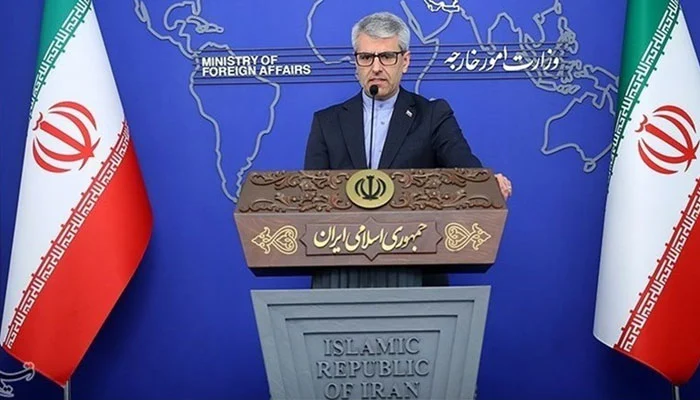
Iran has announced a regional meeting in Oman to discuss maritime security and safe commercial shipping through the Strait of Hormuz.
Iranian Foreign Ministry spokesperson Esmaeil Baghaei said foreign ministers from Iran, Iraq and Gulf states will attend the meeting on Monday.
The talks will take place in Oman as tensions remain high around the strategic waterway. The Strait of Hormuz is a key route for global energy shipments.
Focus on Safe Shipping
Baghaei said Iran wants to build trust and expand cooperation with neighboring countries.
He also stressed the need for regional security mechanisms. According to the spokesperson, such mechanisms should rely on cooperation among regional states rather than outside powers.

The meeting will also review recent Iran-Oman discussions on temporary routes for commercial vessels through the Strait of Hormuz.
Iran and Oman have been working on a temporary maritime arrangement. Under the proposed framework, ships could enter the waterway through Iranian waters and leave through Omani waters.
Iran Warns About Maritime Security
Baghaei said Iran remains committed to safe navigation.

However, he warned that Tehran cannot fully guarantee navigation security while what Iran describes as US military actions, a naval blockade and economic pressure continue.
The comments come as commercial shipping through the Strait of Hormuz remains sharply disrupted.
At the same time, tensions have also increased around the Bab el-Mandeb Strait. Houthi forces have advanced along Yemen’s Red Sea coast and reached the strategic Perim Island, adding pressure on another major shipping route.
Regional Diplomacy Gains Importance
The planned Oman meeting could give Gulf states a direct role in discussions over the future of shipping through Hormuz.
The Gulf Cooperation Council includes Saudi Arabia, the United Arab Emirates, Qatar, Kuwait, Bahrain and Oman. The meeting would bring Iran’s foreign minister together with Gulf counterparts in a significant regional diplomatic effort.
For now, the proposed shipping arrangement remains temporary. Gulf states are seeking assurances that any deal will allow commercial vessels to move safely and without long-term restrictions.