

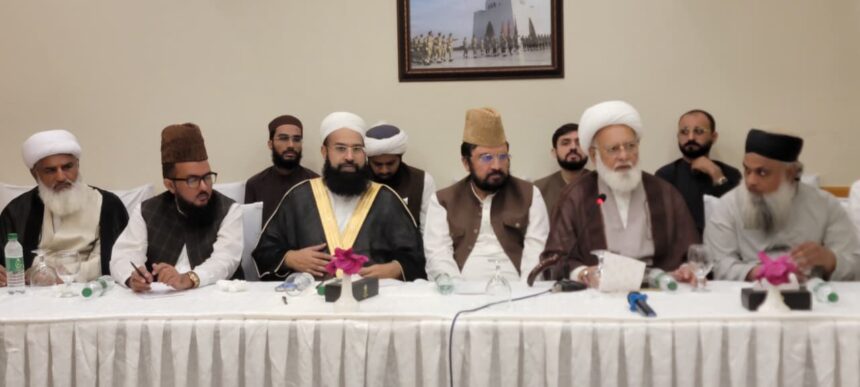
ISLAMABAD, — Pakistan’s National Paigham-e-Aman Committee is working to promote peace, tolerance, mutual respect and national unity across the country, Chairman Hafiz Muhammad Tahir Mehmood Ashrafi said.
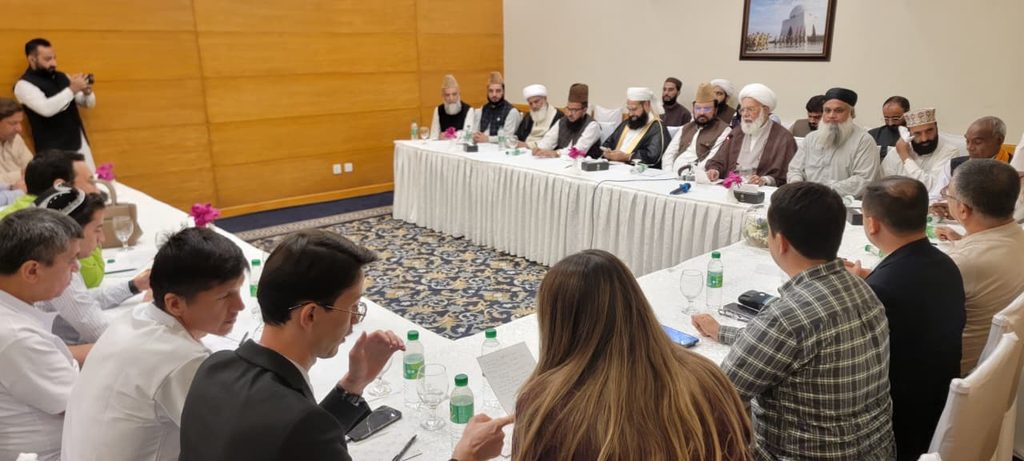
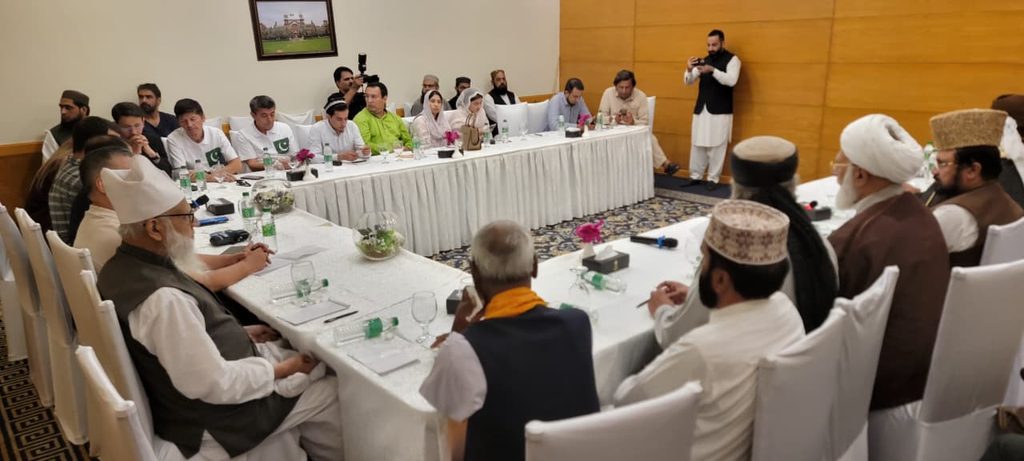
Ashrafi, who also serves as the committee’s coordinator and Chairman of the Pakistan Ulema Council, made the remarks while speaking to visiting Uzbek journalists and media representatives.
He said the committee has promoted a national message against extremism and terrorism. He added that Pakistani religious scholars have consistently opposed suicide attacks, bombings and the killing of innocent people.
Ashrafi Calls for Stronger Action Against Terrorism
Ashrafi said Pakistan’s religious scholars and leaders have issued religious rulings against terrorism and violent extremism. He said they have also played a role in efforts to counter terrorism.
He described Afghanistan as a neighbouring country and noted Pakistan’s long history of hosting Afghan people. However, he expressed concern over attacks in Pakistan that he said involve militants based in Afghanistan.

Referring to the recent Kohat attack, Ashrafi said reports indicated that the attacker was an Afghan national. He questioned how Pakistan could remain silent if militants entered the country and killed civilians.
Pakistan wants peace, he said. At the same time, he stressed that protecting citizens and national security remains the state’s responsibility.
Recent reporting on the Kohat attack shows that Pakistani officials have linked the assault to militants with ties to Afghanistan. Afghanistan has condemned the attack, while Pakistan has called for concrete action against militant networks.

Committee Promotes Interfaith Harmony
Ashrafi said Pakistan is home to people from different religions and schools of thought. He said these communities can work together for national peace, stability and security.
According to Ashrafi, the National Paigham-e-Aman Committee represents cooperation among Muslim scholars and representatives of minority communities.
He said the committee aims to strengthen dialogue between different religious groups. It also seeks to promote tolerance and mutual respect across Pakistani society.
The committee marked its first year in September 2026. The Associated Press of Pakistan reported that it was established on September 9, 2025, on the directions of Prime Minister Shehbaz Sharif. Its stated goals include interfaith and sectarian harmony, national unity and a collective response to extremism and terrorism.
Religious Leaders Reject Terrorism
Ashrafi said Pakistani religious leaders have taken a clear position against terrorism and extremism.
He said religious scholars have worked to strengthen a national message that rejects violence against innocent people. He also stressed the importance of cooperation among religious communities.

The committee has also promoted the protection of minority rights and places of worship. In addition, it has encouraged dialogue during sensitive religious periods.
Ashrafi said religious leadership can contribute to social stability when it works together for peace. He also called for continued cooperation between scholars, communities and state institutions.
Call for Regional and Global Attention
Ashrafi urged regional countries and the international community to take the security situation seriously.
He said Pakistan does not want conflict. However, he maintained that the country has the right and responsibility to protect its people and national security.
He also thanked religious leaders and members of the National Paigham-e-Aman Committee for their work. The meeting included Allama Syed Ziaullah Shah Bukhari, Allama Muhammad Hussain Akbar, Allama Tauqeer Abbas, Dr. Asif Mir, Mufti Muhammad Karim Khan, Maulana Zubair Faheem, Maulana Hafiz Muhammad Maqbool, Bhagat Lal and Sardar Shamsher Singh.
Ashrafi said the committee would continue its efforts to build a peaceful and tolerant Pakistan. He stressed that peace, mutual respect, religious harmony and national unity should remain key national goals.