

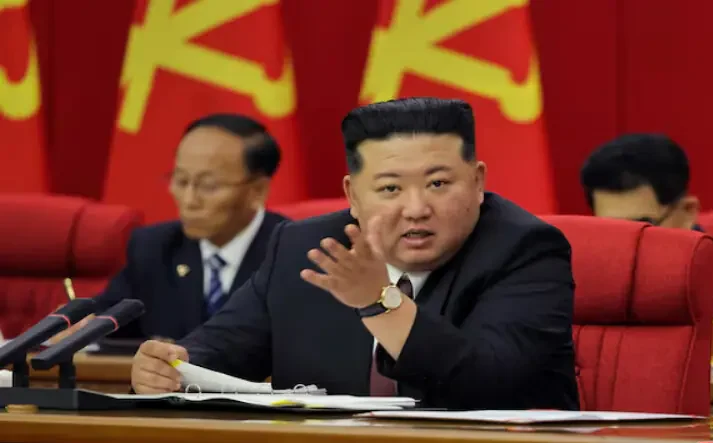
SEOUL, North Korea has accused NATO of preparing for future military conflict by expanding its fuel infrastructure across Europe, claiming the alliance is becoming increasingly aggressive under the guise of strengthening its defense capabilities.
In a commentary published by the state-run Korean Central News Agency (KCNA) on Saturday, Pyongyang criticized NATO’s Fuel Supply Chain Capability Programme, which aims to improve military fuel logistics across the alliance.
According to KCNA, the programme would connect an estimated 10,000-kilometre (6,200-mile) fuel distribution network stretching across Western Europe with NATO’s newer member states in Eastern and Northern Europe.
North Korea alleged that the project demonstrates preparations for future military operations, although it did not provide evidence to support the claim.
The commentary argued that the initiative reflects NATO’s transformation into a more offensive military alliance.

NATO has consistently stated that it is strengthening its deterrence and defense posture following Russia’s full-scale invasion of Ukraine in 2022, emphasizing that the alliance’s military modernization is intended to enhance the security of member states.
The alliance has repeatedly described its recent defense initiatives as necessary responses to changing security conditions in Europe.
North Korea has frequently criticized military cooperation involving the United States, South Korea, and NATO member countries.
Meanwhile, military cooperation between Pyongyang and Moscow has expanded significantly since the two countries signed a Comprehensive Strategic Partnership Treaty in June 2024, which includes a mutual defense commitment.
According to previous reports, North Korea deployed an estimated 14,000 troops to Russia’s Kursk region in 2024 to assist Russian forces during fighting related to the ongoing war in Ukraine.
The latest remarks from Pyongyang come amid continued geopolitical tensions in Europe and the Asia-Pacific region.