

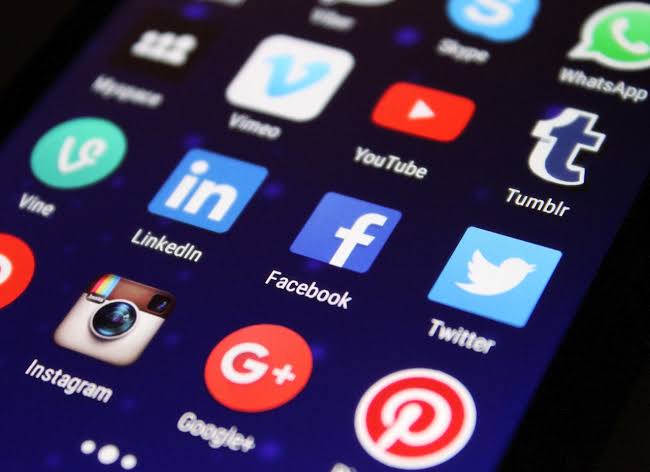
France’s top constitutional court has blocked a law that would have banned social media access for children under 15.
The Constitutional Council ruled on Friday that the legislation placed excessive limits on freedom of expression and communication.
The decision is a setback for President Emmanuel Macron, who had backed stronger restrictions on children’s use of social media.
Court Raises Free Speech and Privacy Concerns
French lawmakers approved the bill in July.
Under the proposed law, children under 15 would not have been allowed to open new social media accounts from September 1.
More Read

Social media platforms would also have had to close existing accounts within four months.
In addition, platforms would have needed to use age verification systems approved by France’s privacy regulator.
However, the Constitutional Council found major legal problems with the legislation.

The court said the bill did not clearly define the conditions and limits for providing proof of age.
It also concluded that the measures placed a disproportionate restriction on freedom of expression and communication.
Moreover, the council said the law did not provide enough legal protection for privacy.
Macron Orders New Draft
The ruling has prompted Macron to seek changes to the proposed legislation.
The French president has instructed Prime Minister Sébastien Lecornu to rewrite the bill.
The new draft must address the concerns raised by the Constitutional Council.

According to the Élysée Palace, Macron remains determined to introduce the reform before spring 2027.
France is scheduled to hold its next presidential election at that time.
Macron cannot seek a third consecutive presidential term.
France Follows Global Debate
The French bill followed similar moves in other countries.
Australia introduced the world’s first nationwide social media ban for children under 16 in December. The restrictions cover platforms including Facebook, Snapchat, TikTok and YouTube.
Australian lawmakers are now considering stronger penalties after early data showed mixed results.
Meanwhile, several other countries have introduced or considered measures to limit young people’s access to social media.
China, the United Arab Emirates and Turkey have taken steps in this area.
The European Union has also said it wants stronger protection for children from harmful features on social media platforms.
Social Media Companies Oppose Blanket Bans
Major social media companies generally oppose broad bans on young users.
The companies argue that they already have measures to protect younger users, including age restrictions.
At the same time, several platforms have said they would comply with government restrictions where required by law.
Google, Meta, Snap and TikTok did not immediately respond to Reuters requests for comment.
Debate Over Children’s Online Safety Continues
The French ruling does not end the debate over protecting children online.
Instead, it requires the government to find a legal approach that balances child safety with freedom of expression and privacy.
Macron has previously called on teenagers to spend less time on their devices.
In April, he urged young people to switch off their devices and read more.
The French government must now revise the legislation if it wants to move ahead with the proposed France social media ban for under-15s.