

China has privately asked Iran to help rein in Yemen’s Houthis after Saudi Arabia sought Beijing’s help, according to Reuters.
Three Iranian sources familiar with the matter gave the information to Reuters.
Saudi Arabia turned to China after the Houthis made rapid advances along Yemen’s Red Sea coast and around the Bab el-Mandeb Strait.
The Houthi moves have increased risks to Saudi oil exports and regional shipping, the sources said.
China Asks Iran to Use Its Influence
The Iranian sources said China asked Tehran to use its influence over the Houthis.

Beijing wants Iran to help prevent the conflict from spreading to key energy routes.
China depends on these routes for part of its energy supplies.
The sources did not say how China delivered the message to Iran.

They also could not confirm whether the message came during Iranian Foreign Minister Abbas Araqchi’s visit to China on Wednesday.
China has publicly called for restraint, dialogue and safe navigation.
However, the sources said Beijing’s private message to Tehran went further.
Iran Links Regional Stability to War With US and Israel
The three Iranian sources said Tehran responded that regional peace depends on ending the US-Israeli war against Iran.
They said Chinese officials did not issue a direct threat.
Beijing also did not indicate plans for economic pressure if Iran failed to restrain the Houthis.
Iran’s Foreign Ministry and the Saudi government did not immediately respond to Reuters requests for comment.
China Confirms Its Concerns
China’s Foreign Ministry said Beijing does not want regional tensions to spread to Yemen and the Red Sea.
The ministry also called for respect for the sovereignty and security of all countries.
China urged all sides to avoid attacks on facilities that support people’s livelihoods.
Beijing also called for an end to actions that could worsen the situation.
The ministry urged the parties to resolve disputes through dialogue and negotiations.
Red Sea Risks Threaten Energy Supplies
The Houthi advance has increased concerns over shipping through the Red Sea and Bab el-Mandeb.
The Bab el-Mandeb connects the Red Sea with the Gulf of Aden.
The route plays a major role in global energy and commercial shipping.
The Houthis now control territory near the strategic waterway, according to Reuters.
The situation also creates risks for China.
China relies heavily on Middle Eastern energy supplies and remains Iran’s main oil buyer.
Reuters reported that Chinese investment could give Beijing some influence over Tehran. However, Chinese investment in Iran remains below its investment levels in Gulf Arab states.
China and Iran Have Strong Trade Ties
China has remained Iran’s largest trading partner for more than a decade.
Iran also relies heavily on China as a buyer of its oil.
Reuters reported that China remains one of the few countries with the financial capacity to invest in Iran despite US pressure and sanctions.
Beijing also has a history of diplomatic involvement in the region.
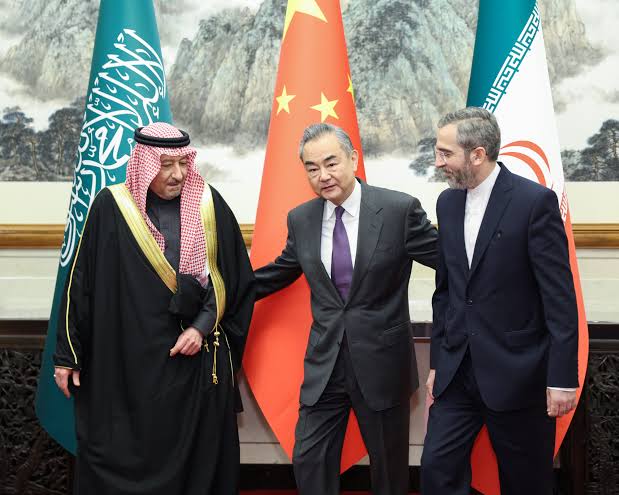
In 2023, China helped broker an agreement that restored diplomatic ties between Iran and Saudi Arabia after years of tensions.
Limits to China’s Influence
The latest developments could test China’s influence over Iran.
The three Iranian sources said it remains unclear whether Tehran will act on Beijing’s concerns.
Iran faces several competing strategic, economic and political priorities.
At the same time, China has major interests in keeping the Strait of Hormuz open and Red Sea shipping safe.
A Western diplomat told Reuters that China remains one of the few capitals with potential influence over Iran and the Houthis.
Analysts now face a key question: Will Beijing attach consequences to its requests?
The answer could show how far China is willing to use its influence over Tehran.