

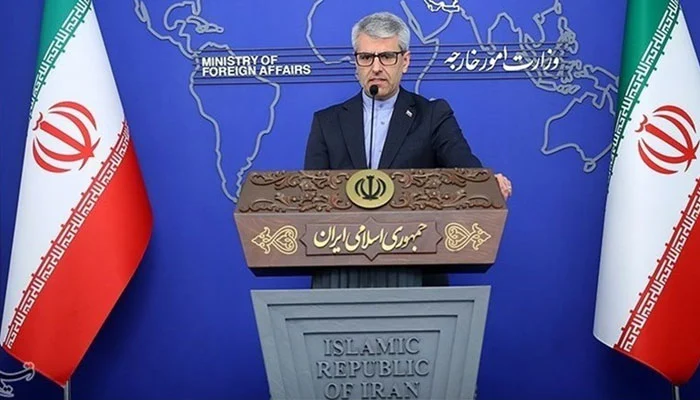
TEHRAN, — Iranian Foreign Ministry spokesman Esmaeil Baghaei has urged regional countries to focus on what Tehran calls the realities in Yemen.
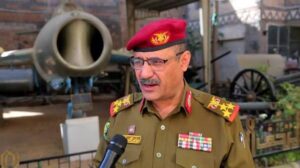
He also rejected allegations that Iran directs or controls Yemen’s Ansarullah movement. Baghaei said Tehran does not interfere in Yemeni affairs.
Speaking at his weekly press briefing, Baghaei said regional states should avoid shifting responsibility for Yemen’s crisis onto Iran.
Iran Rejects Claims of Involvement in Yemen
Baghaei said Iran has no role in Yemen’s internal affairs. He described Ansarullah as an independent actor that makes decisions based on its own interests.
He also said Yemen has faced years of conflict and blockade. In his account, Yemenis have sought to defend their rights and dignity during that period.

Baghaei said Iran is concerned about outside powers increasing tensions among regional countries. He argued that expressing Iran’s position on Yemen should not be treated as interference.
He urged regional governments to examine the situation directly rather than blaming Tehran.
Saudi Arabia Asked to Postpone Oman Meeting
Baghaei also confirmed that Saudi Arabia had asked for a planned regional meeting in Oman to be postponed.

The meeting was expected to discuss maritime security and safe commercial routes around the Strait of Hormuz. Oman later confirmed the postponement and said it wanted conditions that could support constructive dialogue.
Baghaei said Iran and Oman had already finalized an understanding on maritime routes. He added that the two countries would decide how to announce or register the agreement.
He described the planned meeting as an opportunity for regional states to discuss security without outside interference.
Iran Denies Role in Saudi Pipeline Attack
Baghaei also rejected US allegations that Iran played a role in an attack on a Saudi oil pipeline.
He called the allegations false and said outside actors were trying to increase tensions among regional states.
Baghaei urged regional and Muslim countries to remain alert to what he described as fabricated reports.
Austria Summoned Over Visa Dispute
The Iranian spokesman also criticized Austria over its refusal to issue visas to an Iranian delegation led by Atomic Energy Organization chief Mohammad Eslami.
The delegation planned to attend the International Atomic Energy Agency’s General Conference in Vienna.
Baghaei said Iran had summoned Austria’s chargé d’affaires to the Foreign Ministry. He called Vienna’s decision unjustified.
He also accused Western countries of restricting Iran’s ability to present its position at international forums. Austria’s decision followed pressure that Tehran says came from Washington.
Iran and Oman Finalize Maritime Understanding
Baghaei said the Iran-Oman understanding followed weeks of talks between the two coastal states.
He said the agreement covers safe maritime routes and respects the sovereign rights of both countries.
The spokesman said Iran and Oman will decide on the next steps. They will also determine how to formally announce the understanding.
Baghaei said regional countries should have used the meeting as a chance to discuss broader security cooperation.
Tehran Says Iran Cannot Be Isolated
Baghaei rejected claims that international pressure could isolate Iran.
He pointed to Iran’s participation in multilateral groups such as BRICS and the Shanghai Cooperation Organization.
He also criticized US policy toward Iran. Baghaei accused Washington of using international institutions to pressure Tehran.
These statements reflect Iran’s official position. The United States and its allies have disputed Tehran’s account of the conflict and its wider regional policies.
US Underwater Vehicle Called ‘War Booty’
Baghaei also addressed an Iranian seizure of a US underwater vehicle.
He rejected the description that Iran had simply seized the vehicle. Instead, he called it “war booty” and said Iran considered the capture lawful.
The spokesman did not provide further details about possible negotiations over the vehicle’s return.
Iran Says Pakistan Remains a Key Mediator
Baghaei also discussed efforts to revive Iran-US talks.
He welcomed China’s diplomatic position on regional security. However, he said Beijing should not yet be described as a new mediator between Tehran and Washington.
Baghaei said Pakistan was continuing its mediation role.
He argued that the main problem was not a lack of mediators. Instead, he said Iran sees a lack of political will and trust from Washington as the main obstacle.
Tehran Raises Concerns Over IAEA Reports
Baghaei also criticized IAEA Director General Rafael Grossi over reports concerning Iran’s nuclear activities.
He accused the agency of allowing its reports to become part of political pressure against Tehran.
Baghaei also discussed the site Iran refers to as “Pickaxe Mountain.” He said the issue had existed for several years and did not represent a new nuclear development.
He maintained that Iran had met its obligations under its safeguards agreement.
The IAEA has continued to assess Iran’s nuclear activities and compliance issues. Tehran disputes several aspects of the agency’s assessments.
Iran Says Hormuz Security Remains a Priority
Baghaei said security in the Strait of Hormuz remains a major concern for Iran and Oman.
He argued that regional states should examine the causes of insecurity rather than focus only on its effects.
Iran has also rejected outside attempts to dictate which regional issues it should prioritize.
Baghaei said Tehran would continue using diplomatic channels to address regional security concerns.
Iran-Turkey Relations Remain Active
Baghaei said recent contacts between Iranian and Turkish officials covered more than messages between Iran and the United States.
He described Iran-Turkey relations as strong and said the two sides regularly discuss regional issues.
He also pointed to concerns over Israel’s actions and what Tehran describes as growing regional tensions.
Border Trade With Iraq Expected to Resume
Baghaei said passenger and pilgrim movement had resumed at the Shalamcheh and Chazabeh crossings with Iraq.
He added that commercial traffic was expected to return to normal within one or two days.
Iranian and Iraqi officials have held talks to resolve the disruption, according to Baghaei.
Iran Rejects Talk of Nuclear Policy Shift
Baghaei also responded to reports about a possible change in Iran’s nuclear doctrine.
He said Iran’s nuclear policy remains clear. He argued that pressure on Iran’s civilian nuclear program has contributed to wider debate about nuclear deterrence.
Baghaei stressed that Iran remains a party to the Nuclear Non-Proliferation Treaty.
He also defended Iran’s right to peaceful nuclear energy under international agreements.
Iran Says Regional Dialogue Remains Necessary
Baghaei said the postponed Oman meeting could have opened a new channel for dialogue among Iran and Gulf states.
He said regional countries need direct talks with each other to address disputes.
He also argued that regional states should prevent their territory, airspace and facilities from being used for attacks against Iran.
Baghaei said Tehran would continue supporting regional dialogue. He added that Iran would use diplomatic channels to address security and political disputes.