

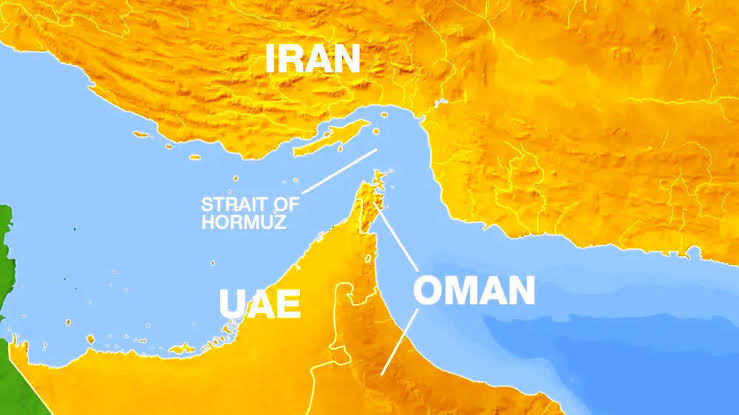
WASHINGTON/RIYADH, — The United States expects Iran and Oman to reach an agreement soon that could help reopen the Strait of Hormuz to normal commercial shipping, a US official told Reuters.
The official said talks between Iran and Oman had made progress. The two countries border the strategic waterway.
According to the official, an agreement could allow normal oil traffic to resume. The development could also support wider efforts toward a peace agreement.
US Links Port Blockade to Shipping Deal
The US official said Washington would lift its blockade of Iranian ports once commercial shipping through the strait resumes without major restrictions.
The official added that US measures would remain linked to Iran’s implementation of its commitments.
More Read

However, it remains unclear whether the latest diplomatic efforts will produce a lasting agreement.
Strait of Hormuz Vital to Global Oil Trade
The Strait of Hormuz is one of the world’s most important energy routes.
Before the conflict between the United States, Israel and Iran began on February 28, roughly one-fifth of global oil consumption passed through the waterway.

The disruption has affected international oil supplies. As a result, energy prices have risen and added to inflationary pressures.
Iran has used the conflict to justify restrictions on oil tankers crossing the strait, according to the US official.
Wider Regional Tensions Continue
Meanwhile, the Trump administration has repeatedly indicated that an agreement on the strait could be close.
Iran has previously denied that formal talks were taking place. Therefore, the latest reports of progress have yet to result in a confirmed agreement.
The situation is also linked to wider maritime tensions in the region.
Iranian attacks on shipping in the Strait of Hormuz have coincided with increased attacks by Yemen-based Houthi forces. The Houthis have targeted commercial vessels near another major maritime chokepoint between the Red Sea and the Gulf of Aden.

A reopening of the Strait of Hormuz could therefore have a wider impact on global energy markets and regional trade.