

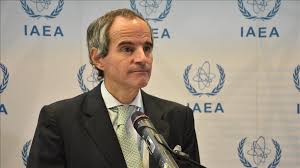
The International Atomic Energy Agency (IAEA) has reported Iran to the United Nations Security Council for the first time in two decades.
The IAEA Board of Governors took the step after Iran failed to provide required information and access over uranium traces found at undeclared sites.
The board approved the move on September 9. The resolution received 23 votes in favor. Russia, China and Niger opposed it, while eight countries abstained.
Dispute Over Uranium Traces
The IAEA has been seeking answers about uranium traces found at several undeclared Iranian sites.
Iran has not allowed inspectors to fully investigate the sites or clarify the origin of the nuclear material.

Western officials believe the traces could provide evidence about Iran’s past nuclear activities. They have raised concerns that Iran may have continued a nuclear weapons program until 2003.
Iran denies pursuing nuclear weapons and says its nuclear program has peaceful purposes.
Iran Rejects the IAEA Decision
Tehran rejected the IAEA action and described it as politically motivated.

Iran has also argued that ongoing military attacks and security risks have made normal inspections difficult.
The Iranian government says it remains committed to its safeguards obligations. However, it disputes the conditions under which the IAEA seeks access to nuclear sites.
Possible New Pressure on Tehran
The referral could increase diplomatic and economic pressure on Iran.
However, the IAEA decision does not automatically impose new sanctions. Any further action by the Security Council would require additional steps.
Russia and China, which opposed the IAEA resolution, also hold veto power at the Security Council. This could make immediate new Security Council measures more difficult.
Iran’s Enriched Uranium Stockpile
The IAEA estimates that Iran had 440.9 kilograms of uranium enriched to 60% before recent attacks on its nuclear facilities.
That level remains below weapons-grade enrichment but is technically close to the level needed for nuclear weapons.
The IAEA has not confirmed that Iran has produced a nuclear weapon.
The latest decision adds another major point of tension between Tehran and the international nuclear watchdog. It also comes as the wider conflict between Iran, the United States and Israel continues to affect the region.