

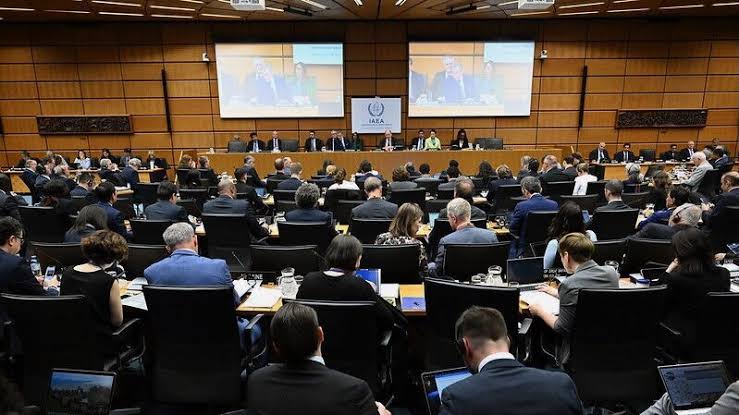
The International Atomic Energy Agency (IAEA) Board of Governors has approved a resolution on Iran’s nuclear program.
The United States, Britain, France and Germany backed the measure. It received 23 votes in favor and three against. Eight members abstained, while one member did not vote.
Russia, China and Niger voted against the resolution. The decision marks the first IAEA referral of Iran to the UN Security Council in 20 years.
Resolution Calls for UN Reports
The resolution asks IAEA Director General Rafael Grossi to send the agency’s latest report to the UN Security Council and General Assembly.
It also asks Grossi to send earlier IAEA resolutions on Iran to the two UN bodies. The measure focuses on Iran’s nuclear obligations and its cooperation with the agency.

The IAEA has raised concerns about uranium traces found at several undeclared sites in Iran. Western governments say the findings may point to past nuclear activity. Tehran rejects those claims and says its nuclear program is peaceful.
Iran, Russia and China Reject the Move
Iran, Russia and China have strongly opposed the resolution.
Their governments argue that the measure ignores attacks on Iranian nuclear sites. They also say the attacks have made it difficult for IAEA inspectors to work safely in Iran.

Iran has rejected claims that it is failing to meet its nuclear duties. Tehran says the current limits on inspections came after military attacks on its nuclear facilities.
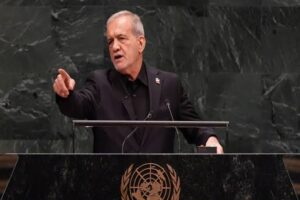
Iran’s UN mission has also called the resolution political. It says the decision could further damage trust between Tehran and the IAEA.
Western Countries Defend the Resolution
Western governments take a different view.
They say Iran must give the IAEA access to nuclear sites and provide updated information about its nuclear material. The agency says it cannot fully verify the status of Iran’s nuclear stockpile and some affected facilities.
Meanwhile, IAEA Director General Rafael Grossi has called for urgent access. He has warned that the lack of information creates a serious concern for nuclear safety and non-proliferation.
UN Sanctions Are Not Automatic
The IAEA decision now moves the issue to the UN Security Council.

However, the vote does not automatically impose new UN sanctions on Iran. The Security Council would need to take further action.
That step could face strong resistance. Russia and China are permanent members of the council and can use their veto power.
As a result, the IAEA decision increases diplomatic pressure on Tehran. Yet, major new UN action remains uncertain.
Iran Nuclear Dispute Deepens
The latest vote adds another layer to the long-running dispute over Iran’s nuclear activities.
For now, Tehran rejects the resolution and continues to defend its nuclear program as peaceful. At the same time, Western countries are pressing for wider IAEA access and clearer information about Iran’s nuclear material.
The dispute is likely to remain a major issue at the UN and in international diplomacy.