

Iran has rejected the International Atomic Energy Agency (IAEA) Board of Governors’ decision to report Tehran to the UN Security Council.
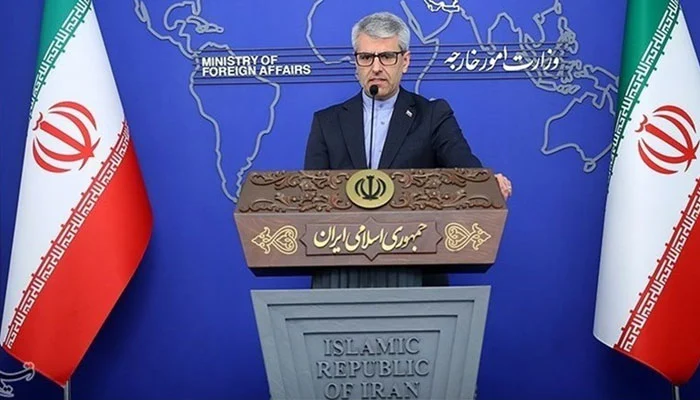
Iranian Foreign Ministry spokesman Esmaeil Baghaei said the decision lacks legal legitimacy. He also blamed recent US and Israeli military strikes for the limits on IAEA access to Iranian nuclear facilities.
The IAEA Board approved the resolution on September 9. Twenty-three of its 35 members voted in favor. Russia, China and Niger opposed the measure, while eight countries abstained.
Iran Links Inspection Limits to Military Strikes
Baghaei said Iran has not violated its safeguards commitments.
He argued that the restrictions on IAEA inspections resulted from attacks on Iran’s nuclear infrastructure. According to Baghaei, the agency should have condemned those attacks if it wanted to maintain impartiality.

The IAEA has said that inspectors have been unable to verify Iran’s declared nuclear material and facilities. Tehran has not allowed inspectors to access several sites affected by the attacks.
Iran continues to insist that its nuclear program has peaceful aims. Western governments, however, have raised concerns about uranium traces found at undeclared sites and Iran’s lack of full cooperation with the IAEA.
Dispute Over the Snapback Mechanism
Baghaei also criticized Western arguments over the so-called snapback mechanism.

He said Western governments previously claimed that UN sanctions on Iran had been restored through the mechanism. However, he argued that the latest IAEA resolution supports Iran’s position that the snapback process never legally took place.
Baghaei said Iran, China and Russia had consistently challenged the Western interpretation.
Iran Criticizes Voting Process
The Iranian spokesman also criticized the way the resolution passed.
He said the vote showed a lack of consensus within the IAEA Board. Baghaei accused the United States and European countries of pressuring or offering incentives to other states to secure support.
He also expressed disappointment with countries such as Japan and Saudi Arabia for voting in favor.
According to Baghaei, such actions could further politicize the IAEA and weaken international efforts to protect the nuclear non-proliferation system.
Nuclear Dispute Enters a New Phase
The IAEA referral marks a major escalation in the long-running dispute over Iran’s nuclear activities. It is the first time in two decades that the agency’s Board of Governors has reported Iran to the UN Security Council.
However, the referral does not automatically impose new UN sanctions. Further action by the Security Council would face political obstacles, including the veto power of Russia and China.