

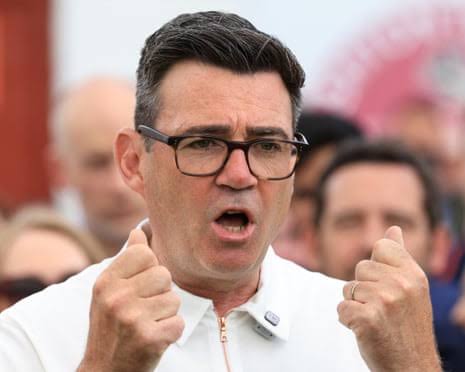
LONDON: Andy Burnham officially became the Prime Minister of the United Kingdom on Monday after Keir Starmer formally resigned, marking another major leadership transition in British politics.
Burnham, 56, who previously served as Mayor of Greater Manchester and is widely known as the “King of the North,” met King Charles III at Buckingham Palace after Starmer submitted his resignation, completing the constitutional process of forming a new government.
In his first remarks as Labour leader and incoming prime minister, Burnham pledged to “rewire Britain” by reshaping government institutions and focusing on the issues that matter most to the public, including the cost-of-living crisis, economic growth, and improving public services.
Describing his election as “the most significant change moment in our politics for 40 years,” Burnham said his administration would introduce a new policy agenda aimed at making life more affordable and raising living standards across the country.
“The government I lead will confidently lay that path out starting next week. It will take us to a country where life is more affordable and all people and places are lifted from where they are now,” Burnham said.
Cabinet Formation Under Close Watch
One of Burnham’s immediate priorities is appointing his cabinet, with particular attention focused on the selection of the next Chancellor of the Exchequer (finance minister).
More Read

British media reports suggest Home Secretary Shabana Mahmood has emerged as a leading contender for the post, while Energy Security and Net Zero Secretary Ed Miliband, once considered a frontrunner, has reportedly lost momentum.
Burnham, however, dismissed speculation over cabinet appointments, saying no final decisions had yet been made.
Early Policy Agenda
The new prime minister’s team is expected to move quickly on several policy initiatives.
More Read

One of the first reported decisions is the cancellation of plans requiring all employees to carry a digital identity document, a proposal originally introduced to combat illegal migration but criticized by lawmakers from multiple parties.
Burnham has also pledged to address Britain’s sluggish economic growth, rising household costs, struggling public services, and the future of major utility companies.
Senior Labour figures have indicated that Thames Water, which is facing significant financial difficulties, could be placed under special government measures, allowing the state to assume greater control over its operations if necessary.
Political Challenges Ahead
Burnham takes office at a time of mounting political and economic pressure. His government faces the challenge of restoring economic confidence while responding to growing public dissatisfaction over living costs, infrastructure, healthcare, and public utilities.
Labour MPs believe Burnham’s broader electoral appeal could help counter the growing popularity of Nigel Farage’s Reform UK, while also rebuilding public trust in the governing party.
As Britain’s seventh prime minister in just over a decade, Burnham’s leadership is expected to shape the country’s domestic agenda and international relations during a period of significant political change.