

European Union foreign ministers have approved 1,569 new sanctions listings targeting Russia’s military-industrial sector, marking the bloc’s largest single expansion of its sanctions list since Russia launched its full-scale invasion of Ukraine in 2022. The decision came on October 12, 2026, following an agreement among EU representatives the previous week.
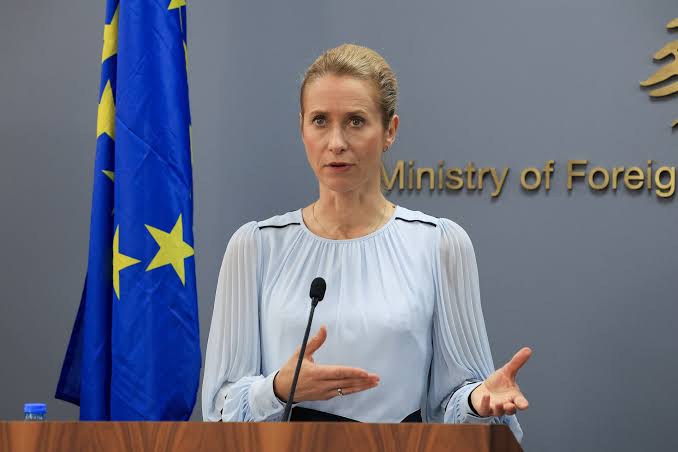
EU foreign policy chief Kaja Kallas announced the decision on social media platform X. She said more than half of the new listings relate to the production chain for ballistic missiles.
According to Kallas, the measures aim to make Russian weapons production significantly harder, slower and more expensive. The EU says the restrictions target suppliers that help Russia manufacture weapons used in the war against Ukraine.
Sanctions Target Companies and Business Leaders
The European Council said the latest package covers 826 Russian companies and 743 individuals serving as their chief executives. These companies supply components for missiles, drones, aircraft and other advanced weapons systems.
The targeted components include semiconductors, microchips, computers, radar equipment, communication systems, navigation technology, explosives and ammunition.
More Read

The EU said the listed suppliers form an important part of Russia’s military-industrial network. Together, the targeted companies generate annual turnover of at least €20 billion and employ more than 250,000 people, according to the Council.
EU Targets Elections in Occupied Ukrainian Territories
The sanctions package also includes measures against people linked to what EU officials describe as “sham elections” in Ukrainian territories occupied by Russia.
On October 12, the EU Council separately approved listings against 77 individuals connected to Russian State Duma elections held in those territories in September 2026. The Council said those listed included candidates and members of Russia’s Central Election Commission.

Kallas Calls for Greater Coordination With the United States
Before the Foreign Affairs Council meeting in Luxembourg, Kallas urged continued pressure on Moscow. She also called for closer coordination between the European Union and the United States on sanctions against Russia.
Kallas argued that coordinated measures would increase pressure on Moscow and make it more difficult for Russia to sustain its military campaign. The EU has continued to seek cooperation with international partners as it expands restrictions on Russia’s defence industry.
Asset Freezes and Travel Bans
The new listings bring the total number of people and entities covered by the EU sanctions regime supporting Ukraine’s territorial integrity to nearly 4,600.
Those listed face asset freezes, while individuals and companies under EU jurisdiction cannot provide them with funds or economic resources. Listed individuals also face travel bans to the European Union.
The Council said the latest decision responds to Russia’s continuing military campaign against Ukraine, including attacks on civilian infrastructure. The measures form part of the EU’s broader effort to restrict Russia’s access to the technology and suppliers needed for weapons production.