

TEHRAN, Iran has rejected Oman’s proposal for a joint regional management mechanism for the Strait of Hormuz, instead calling for greater Iranian control over one of the world’s most strategically important maritime corridors.
According to international media reports, new details have emerged regarding ongoing exchanges between Tehran and Muscat over the future management of maritime traffic through the Strait of Hormuz.
Iranian Deputy Foreign Minister Kazem Gharibabadi told state television that Tehran had turned down Oman’s proposal to divide responsibility for shipping lanes equally between the two countries.
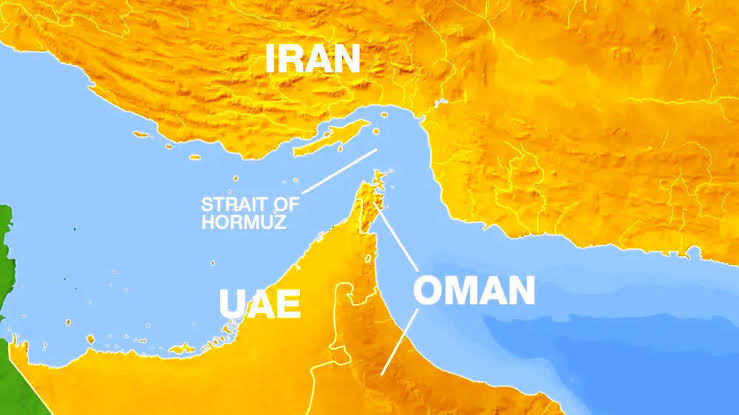
Instead, Iran has proposed that it manage maritime traffic within its own territorial waters while also overseeing part of the outbound shipping route that passes through Omani waters, rather than leaving the entire Omani section under Muscat’s control.
Gharibabadi said Oman had suggested establishing a transit corridor split evenly between Iranian and Omani territorial waters, allowing vessels to enter through Iranian waters and exit via Omani waters.

He added that Tehran’s counterproposal would place part of the transit route within Iranian territorial waters under Iran’s authority while extending Iranian operational control over a section of the shipping lane passing through Omani waters.
The Iranian deputy foreign minister warned that if Oman rejected the proposal, the Strait of Hormuz would remain closed.
Separately, an Iranian official told reporters that the southern shipping route through the Strait of Hormuz could pose security risks for commercial vessels.

The official stressed that decisions regarding the management of the strategic waterway should be made solely by Iran and Oman based on their respective territorial jurisdictions.
He added that Iran believes the entire inbound shipping lane and part of the outbound route should fall under Iranian control, while Oman’s authority should remain limited to its own designated sector.
The official also emphasized that Iran considers Oman a valued neighbor and expressed hope that the two countries would continue consultations on the future management of the vital maritime passage.