

WASHINGTON — Officials from the US-led Board of Peace have held another bipartisan briefing for Congressional staff, outlining ongoing diplomatic efforts aimed at advancing the disarmament of Hamas while supporting long-term security, governance and reconstruction in the Gaza Strip.
According to a Board of Peace official, the delegation met with senior congressional staff members from both the Republican and Democratic parties to provide an update on the latest developments surrounding the US-backed initiative.
The briefing comes as international diplomatic efforts continue to focus on finding sustainable mechanisms to reduce violence in Gaza and establish conditions that could support long-term regional stability.
Senior Officials Lead Congressional Briefing
The Board of Peace delegation was led by Senior Adviser Josh Gruenbaum and Security Lead Gen. (Ret.) Mark Schwartz, who presented the organization’s latest diplomatic and security initiatives.
During the session, both officials stressed their commitment to maintaining close cooperation with the United States Congress as efforts continue to address Gaza’s humanitarian, governance and security challenges.

According to the Board of Peace, officials emphasized their determination to work with lawmakers from both political parties in pursuit of common objectives.
These objectives include:
- advancing regional peace,
- strengthening security,
- improving governance,
- facilitating reconstruction efforts in Gaza.
The Board stated that achieving lasting stability requires coordinated engagement among international partners, regional stakeholders and US policymakers.
Bipartisan Congressional Participation
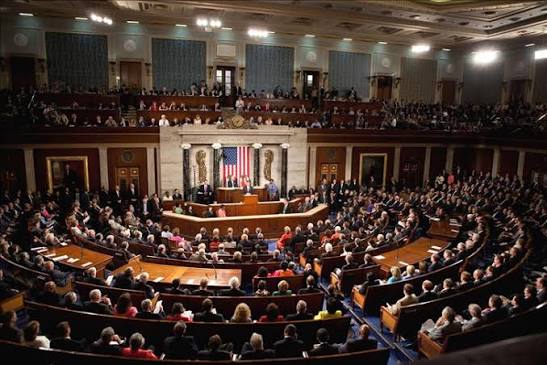
The briefing included national security advisers representing the leadership of both chambers of Congress.
Participants included advisers from the offices of:
- Senate Majority Leader John Thune
- Senate Minority Leader Chuck Schumer
- House Speaker Mike Johnson
- House Minority Leader Hakeem Jeffries
The bipartisan attendance reflects continued congressional interest in developments related to the Gaza conflict and ongoing diplomatic initiatives in the Middle East.
While no legislative decisions were announced during the meeting, officials described the engagement as part of continued consultations with Congress regarding regional security and diplomatic efforts.
Focus on Security and Governance
Board officials highlighted that security remains one of the central pillars of any future political arrangement concerning Gaza.
According to the Board, efforts are not limited to security considerations alone but also include governance reforms and reconstruction planning intended to improve long-term stability.
Officials argued that durable peace requires institutions capable of maintaining public services, restoring infrastructure and supporting civilian administration.
The briefing also discussed broader regional dynamics influencing negotiations and international mediation efforts.
US-Led Diplomatic Engagement
The Board of Peace continues to present itself as a coordinating platform seeking cooperation among international stakeholders involved in efforts to reduce tensions in Gaza.
Its representatives reiterated that diplomatic engagement remains essential to addressing the humanitarian and security challenges facing the region.
Officials also underlined the importance of maintaining bipartisan support within the United States as diplomatic initiatives move forward.
According to the Board, collaboration between the executive branch, Congress and international partners remains critical to sustaining long-term peace efforts.
Continued International Attention
The latest congressional briefing follows a series of diplomatic engagements involving regional and international actors discussing future arrangements for Gaza.
While multiple proposals have emerged regarding governance, reconstruction and security, negotiations remain ongoing and no comprehensive agreement has yet been publicly finalized.
International observers continue to monitor developments closely as efforts proceed to address both immediate humanitarian concerns and broader regional security issues.
The Board of Peace indicated that it intends to maintain regular consultations with US lawmakers as discussions evolve.