

Israel’s Mossad chief held a phone call with Syria’s foreign minister last week to discuss Turkey’s growing military presence in Syria, according to three people familiar with the matter.
The August 14 call took place four days before Israel struck Syria’s Abu al-Duhur airbase.
The call brought together two senior officials in one of the highest-level contacts between Israel and Syria’s new government.
Mossad Chief Raised Turkish Military Support
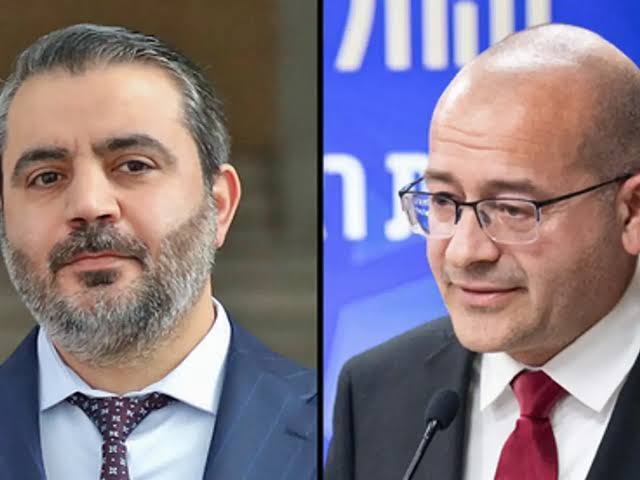
Mossad chief Roman Gofman spoke with Syrian Foreign Minister Asaad al-Shaibani on August 14, the sources said.
The sources said Turkish military activity in Syria was the main issue during the call.
More Read

One source said Gofman asked about Turkey’s plans to increase its military presence.
The discussion also covered Turkish arms supplies and drone support for the Syrian army.
A second source, described as a senior official, confirmed that Gofman asked about Turkish weapons being supplied to Syria.

A third source also confirmed that the call took place.
Israel Links Airstrikes to Turkish Presence
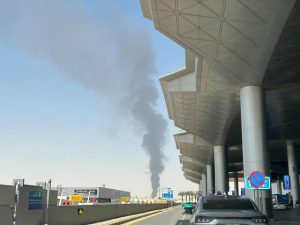
Israel later carried out airstrikes on the Abu al-Duhur airbase in Syria.
After the attack, Israeli Prime Minister Benjamin Netanyahu said Damascus was close to allowing Turkish troops to deploy in Syria.
Netanyahu said Israel had repeatedly warned Syria that such a deployment could threaten Israeli security.
The Israeli prime minister later said Israel would not accept a Turkish military presence in Syria that could pose a security threat.
Netanyahu Warns Turkey
In a video posted on X, Netanyahu said Israel had warned Turkey against establishing a military presence in Syria.
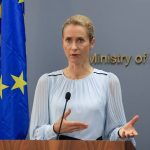
He linked the Israeli strikes to what he described as Turkey’s failure to heed those warnings.
Israel has become increasingly concerned about Turkey’s growing influence in Syria.
Turkey has emerged as a close ally of Syria’s government since the fall of former President Bashar al-Assad in 2024.
Turkey Rejects Israeli Claims
Turkey rejected Israel’s claims about its military plans in Syria.
The Turkish presidency called the Israeli allegations unacceptable.
It accused Israel of using those claims to justify what Ankara described as unlawful attacks on Syria’s sovereignty and territorial integrity.
Turkey said it would continue working with the Syrian government to promote peace, stability and prosperity.
However, Ankara did not directly address reports about possible Turkish military deployments.
Syria Seeks Security Agreement With Israel
Syrian President Ahmed al-Sharaa has sought closer ties with the United States since taking power.
He also said in July that Syria wanted to reach a security agreement with Israel.
Sharaa said Syria was working to involve several countries in efforts to encourage Israel to adopt a more balanced approach toward Syria.
The latest Israeli strikes could make those diplomatic efforts more difficult.
US Calls Israeli Strikes an Unnecessary Escalation
US special envoy for Syria and Iraq Tom Barrack criticised the Israeli strikes.
He described them as an “unnecessary escalation” that would not improve regional stability.
Barrack also said Washington was working to create a deconfliction mechanism between Israel, Turkey and Syria.
The United States already facilitates information sharing and dialogue between the three sides, he said.
Israel and Turkey Face Growing Tensions
Turkey’s growing role in Syria has become a new source of tension with Israel.
Ankara supports Syria’s new government and wants to help strengthen its security institutions.
Israel, however, remains concerned about the presence of Turkish forces and military equipment close to its northern border.
The latest contacts and airstrikes show how quickly tensions over Syria can affect relations between Israel and Turkey.