

WASHINGTON: The United States and Iran are not currently engaged in direct negotiations to end their conflict or reach a new agreement, the White House has said.
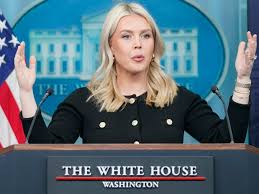
White House Press Secretary Karoline Leavitt confirmed the position during an interview with Fox News, saying there are no talks between Washington and Tehran at this stage.
According to Leavitt, President Donald Trump will not take part in negotiations until he is convinced that Iran is genuinely prepared to engage in meaningful talks.
Trump in No Hurry to Negotiate
Leavitt said preventing Iran from obtaining a nuclear weapon remains one of President Trump’s top priorities.
She added that the United States has shifted its focus toward increasing economic pressure on Iran following military action. However, she said all options, including further military action, remain available to the president.
More Read

The White House statement comes as regional countries continue diplomatic efforts to reduce tensions and create conditions for renewed US-Iran negotiations.
Qatar Pushes for Diplomatic Engagement
Qatar has been actively working to restore a diplomatic channel between Washington and Tehran.
Qatari Prime Minister and Foreign Minister Sheikh Mohammed bin Abdulrahman Al Thani visited Tehran and held talks with Iranian Foreign Minister Abbas Araghchi and other senior officials.

Qatari officials have said the discussions aim to reduce regional tensions and create a favorable environment for the United States and Iran to return to negotiations.
Qatar has previously played a mediation role between the two countries and remains involved in efforts to prevent further escalation.
Strait of Hormuz Remains a Key Issue
The status of the Strait of Hormuz has also emerged as an important issue in the diplomatic discussions.
Qatari and Iranian officials discussed measures to restore safe maritime traffic through the strategic waterway. Talks have also included a possible temporary joint maritime corridor and arrangements for clearing naval mines from the waterway.
Iran and Oman are separately discussing mechanisms for a temporary maritime corridor in the Strait of Hormuz. However, the two sides have yet to reach a final agreement on the conditions for fully reopening the waterway.
US Economic Pressure Continues
Washington is also maintaining economic pressure on Tehran.

US Treasury Secretary Scott Bessent warned countries this week against maintaining financial ties with Iran and indicated that entities violating US sanctions could face secondary sanctions.
Iranian officials have strongly criticized the measures, describing the US pressure as part of a broader economic campaign against the country.
Tehran has maintained that it will not abandon its national interests despite mounting American pressure.
Diplomatic Efforts Continue
The latest White House position suggests that Washington is not seeking immediate direct negotiations with Tehran and instead wants to maintain economic and diplomatic pressure.
At the same time, diplomatic efforts by Qatar and Oman continue to focus on reducing tensions and restoring safe navigation through the Strait of Hormuz.
The outcome of these regional efforts could determine whether Washington and Tehran eventually return to direct negotiations.