

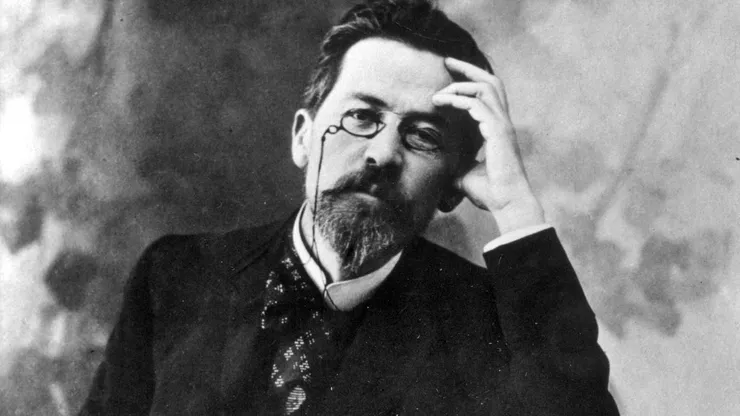
LAHORE: The Russian Centre for Science, Education and Culture organized a special literary session in Lahore to commemorate the life and works of the celebrated Russian playwright, short story writer, and author Anton Chekhov, bringing together prominent Pakistani scholars, writers, and literary enthusiasts.

The event was presided over by Dr. Shahid Hasan, Chairman of the Russian Centre, and featured addresses by distinguished academics including Prof. Dr. Ashraf Nizami, Dr. Iftikhar Bukhari, Prof. Iftikhar Rasool Sheikh, Imtiaz-ul-Haq, and Dr. Arifa Subh Khan.
Chekhov’s Enduring Literary Influence
Speaking at the event, Prof. Dr. Ashraf Nizami reflected on Chekhov’s life and literary journey, noting that the renowned Russian writer spent much of his life in poverty and difficult circumstances. He observed that although Chekhov was not aligned with socialist, communist, or Marxist ideologies, he remained a passionate advocate for the poor and consistently opposed exploitation and social injustice.
Prof. Nizami added that many of the social issues depicted in Chekhov’s writings remain relevant today, demonstrating the timeless nature of his literary work. He also noted that the Soviet Union’s recognition of Chekhov as one of its literary icons reflected the writer’s immense contribution to world literature.
Master of Human Psychology
Dr. Iftikhar Bukhari described Chekhov as one of history’s greatest literary figures, emphasizing that despite his relatively short life, he produced a remarkable body of work that continues to inspire readers across generations.
More Read

He praised Chekhov’s profound understanding of human psychology and highlighted that his plays and short stories have been translated into numerous languages, securing his place among the world’s most influential authors.
Voice of Ordinary People
Addressing the audience, Prof. Iftikhar Rasool Sheikh said Chekhov’s works vividly portrayed the daily lives, struggles, and social inequalities faced by ordinary Russians, particularly those from disadvantaged backgrounds.
He described Chekhov as a pioneer of the modern Russian short story and one of the brightest figures in global literature whose influence continues to shape contemporary storytelling.
More Read

Dr. Arifa Subh Khan also paid tribute to Chekhov’s remarkable literary achievements, describing his contribution to world literature as both profound and enduring.
Urdu Translation Appreciated
During the session, Imtiaz-ul-Haq, a Russian language instructor, presented an Urdu translation of one of Chekhov’s plays, which received warm appreciation from the audience for making Russian literature more accessible to Urdu readers.
Promoting Russian Language and Cultural Exchange
In his presidential address, Dr. Shahid Hasan highlighted the richness of Russian literature and emphasized the importance of learning the Russian language to better understand Russia’s cultural and literary heritage.
He informed participants that the Russian Centre continues to offer Russian language courses, providing students and researchers with opportunities to study Russian literature, history, and culture in greater depth.
The literary gathering concluded with active participation from writers, poets, journalists, academics, students, and members of Lahore’s literary community, reaffirming the role of cultural dialogue in strengthening people-to-people ties between Pakistan and Russia.