

WASHINGTON, — US President Donald Trump has said negotiations with Iran over reopening the Strait of Hormuz have shown encouraging progress, but warned that Tehran could face a major military response if the strategically vital waterway remains closed.
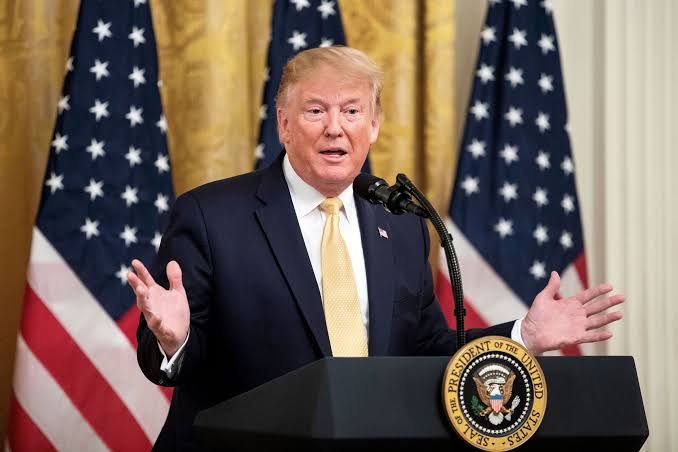
Speaking during a Cabinet meeting at the White House, Trump said American and Iranian representatives had engaged in discussions throughout the day. He described the talks as constructive and expressed hope that the Strait of Hormuz would reopen soon.
“We’ve had positive discussions all day, and I believe the Strait of Hormuz will reopen very soon,” Trump said.
The US president stated that the proposed agreement includes two key objectives. The first is restoring commercial shipping through the Strait of Hormuz. The second is reaching a comprehensive settlement regarding Iran’s nuclear program.
Trump acknowledged that negotiations are moving forward but said several important issues remain unresolved before any agreement can be finalized.
More Read
Despite expressing optimism, Trump warned that Washington is prepared to respond forcefully if negotiations fail.
“If the Strait of Hormuz is not reopened, Iran will face serious consequences. The United States will respond with very strong military action,” he said.
Iran Rejects Alternative Maritime Corridor
Meanwhile, Iranian Supreme Leader adviser Mohsen Rezaei said Iran would not permit the creation of any alternative shipping corridor that bypasses Iranian conditions.
More Read

According to Iranian state television, Rezaei warned that any foreign military vessel entering the area without complying with Iran’s requirements would become a legitimate target.
His remarks underscored Tehran’s continued hardline position despite ongoing diplomatic contacts.
Oman Continues Mediation Efforts
Diplomatic sources said Oman continues to facilitate indirect negotiations between Washington and Tehran.
Officials familiar with the discussions said negotiators are reviewing a draft framework that could restore commercial navigation through the Strait of Hormuz.
However, disagreements remain over several critical issues, including:
- Maritime traffic management
- Security arrangements
- Inspection mechanisms
- Transit fees
- International oversight
No final agreement has yet been announced.

Why the Strait of Hormuz Matters
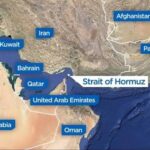
The Strait of Hormuz is one of the world’s most strategically important maritime routes.
Roughly one-fifth of global crude oil exports and significant volumes of liquefied natural gas pass through the narrow waterway connecting the Persian Gulf to the Gulf of Oman and the Arabian Sea.
Any prolonged disruption to shipping through the strait can significantly affect global energy markets, fuel prices, and international trade.
Analysts say investors and governments are closely monitoring the ongoing negotiations, as the outcome could influence regional stability and global oil supplies in the coming weeks.