

Geneva: Half of Afghan women now leave their homes only once or twice a month as Taliban restrictions continue to limit their freedom of movement and participation in public life, according to new data from UN Women.
The findings come as the Taliban prepare to mark five years since their return to power in Afghanistan in August 2021.
Afghan Women Face Growing Restrictions
UN Women said Afghanistan remains the only country in the world where authorities ban girls from secondary education and women from attending university.
The UN agency said the Taliban have issued more than 100 decrees targeting women and girls since returning to power. According to the agency, these measures have deepened discrimination and created the world’s most severe crisis for women’s rights.
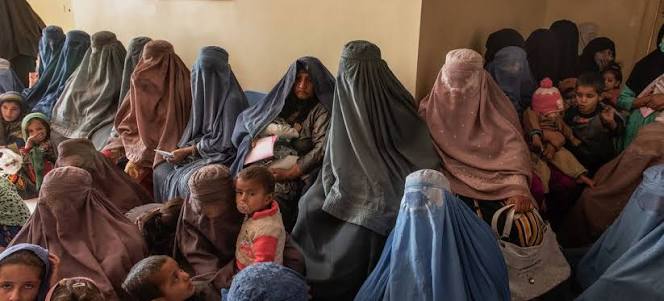
More than half of the women surveyed said they leave home twice a month or less.
More Read

Moreover, nearly three-quarters said they feel unsafe leaving home without a male guardian, known as a mahram.
Taliban Rejects Claims About Women’s Safety
The Taliban rejected claims that Afghan women feel unsafe leaving their homes.
Saif-ul-Islam Khyber, a spokesperson for the Ministry for the Propagation of Virtue and Prevention of Vice, told Reuters that such reports were false.
More Read

He said women in Afghanistan have access to their rights. He also described the country’s security situation as improved.
The Taliban maintain that they respect women’s rights according to their interpretation of Islamic law and Afghan culture.
Millions of Girls Remain Out of School
The restrictions also continue to affect education.
UNESCO said on Tuesday that the Taliban have kept an estimated 2.4 million Afghan girls out of secondary education since returning to power in 2021.
Afghanistan also remains the only country where girls and women face a nationwide ban on secondary and university education.
UN Women said these restrictions have severely limited women’s opportunities to study, work and participate in society.

Women’s Mental Health Under Pressure
The UN agency also warned about the impact of isolation on women’s mental health.
Seven in 10 women surveyed described their mental health as bad or very bad. They cited isolation, lost opportunities and limited access to support networks.
UN Women said recent Taliban decrees have also weakened women’s legal protections.
According to the agency, measures introduced this year removed legal equality between men and women. They also increased men’s authority within marriage and made it harder for women to seek divorce.
Afghan Women Remain Largely Excluded From Economy
Women also face major barriers in the workplace.
According to the UN Women report, only 7% of Afghan women are employed, compared with 84% of men.
The agency said restrictions on women’s movement and participation in public life have contributed to their exclusion from economic activity.
UN Women warned that the continued restrictions could further reduce women’s access to employment, education and essential services.
UN Data Based on Thousands of Responses
The report draws on a door-to-door survey of 2,190 people conducted between February and March 2025.
It also includes telephone surveys involving 2,811 people conducted between April and May 2026.
UN Women said the findings show how restrictions continue to shape the daily lives of Afghan women and girls five years after the Taliban returned to power.