

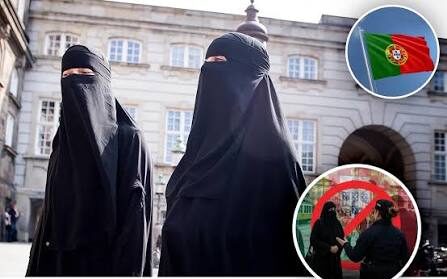
LISBON: Portuguese President António José Seguro has approved a law restricting the wearing of full face coverings in public places.
The measure has drawn attention because it could affect Muslim women who wear the niqab, which covers the face except for the eyes.
The Portuguese parliament approved the legislation in July.
Law Restricts Face-Covering Clothing
The new law prohibits clothing or other items that conceal a person’s identity in public places.
However, the legislation includes several exemptions.
More Read

People can cover their faces for health, professional, artistic or weather-related reasons.
The restrictions also do not apply inside places of worship, diplomatic missions or aircraft.
Fines of Up to €3,000
People who violate the law could face fines ranging from €150 to €3,000.

The legislation also prohibits anyone from forcing another person to cover their face based on their gender, religion, age or ethnic background.
The government says the measure focuses on face concealment in public rather than targeting a particular religious group.
President Highlights Facial Recognition
President António José Seguro said the face plays an important role in human identity and communication.
His comments came as the new restrictions prompted debate over personal freedoms and religious expression.
Supporters argue that identifying people in public spaces can serve security and social communication purposes.
Rights Groups Raise Concerns
Human rights organizations have expressed concerns about laws that regulate women’s clothing.

Critics argue that restrictions on face coverings can interfere with women’s freedom to choose what they wear.
The legislation is likely to remain a subject of debate over the balance between public security, individual rights and religious freedom.