

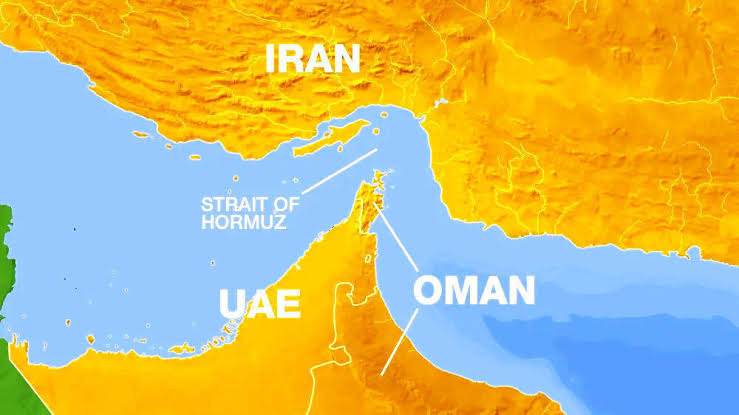
TEHRAN — Iran and Oman have agreed on the geographical coordinates of safe shipping routes for vessels entering and leaving the Strait of Hormuz, Iranian Foreign Ministry spokesman Esmaeil Baghaei said.
Baghaei said the two countries had also agreed on a procedure to communicate the coordinates to the relevant international maritime body. He said the step would take place soon.
The announcement comes as commercial shipping through the strategic waterway remains heavily disrupted by security concerns and attacks on vessels.
Iran and Oman Discuss Safe Maritime Passage
According to Baghaei, consultations between Tehran and Muscat have progressed well.
The two sides have now identified specific geographical points for safe inbound and outbound routes through the Strait of Hormuz. They have also agreed on how to notify the relevant international authority about the routes.
More Read

Baghaei did not identify the international body by name. However, the International Maritime Organization has been involved in efforts related to maritime safety and navigation in the Strait of Hormuz.
The arrangement forms part of earlier discussions between Iran and Oman on restoring maritime traffic through the waterway.
Hormuz Shipping Remains Under Pressure
The agreement comes as vessel traffic through the Strait of Hormuz has fallen sharply.

Reuters reported that only seven commodity vessels crossed the strait on Oct. 6, the lowest daily figure in more than two months. Traffic increased to 10 vessels on Wednesday but remained well below the more than 20 daily crossings recorded earlier in the week.
The decline follows a recent increase in attacks and threats against commercial vessels.
Reuters reported that at least 12 incidents involving tankers were recorded between Sept. 28 and Oct. 5. The incidents included attacks, attempted attacks, drone overflights and threatening communications.
Iran Says Safe Routes Could Support Gradual Resumption
The proposed routes could provide a framework for a more controlled movement of commercial vessels through the strait.
Iranian officials have linked the maritime arrangements to wider efforts to restore security in the Gulf and Strait of Hormuz. Baghaei said Tehran had also conveyed its conditions for ending the wider conflict through mediators.
However, the agreement on route coordinates does not by itself mean that normal shipping has resumed.

Iranian officials have continued to say that the wider reopening of the Strait of Hormuz depends on Tehran’s conditions being addressed. At the same time, Iran has warned against the use of routes it considers unauthorized.
The waterway remains one of the world’s most important energy routes. Before the current conflict, about one-fifth of global crude oil and liquefied natural gas shipments passed through the Strait of Hormuz.