

Islamabad: Pakistan has strongly condemned recent Houthi attacks on Saudi Arabia and reaffirmed its support for the Kingdom’s sovereignty, security and territorial integrity.
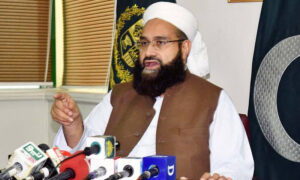
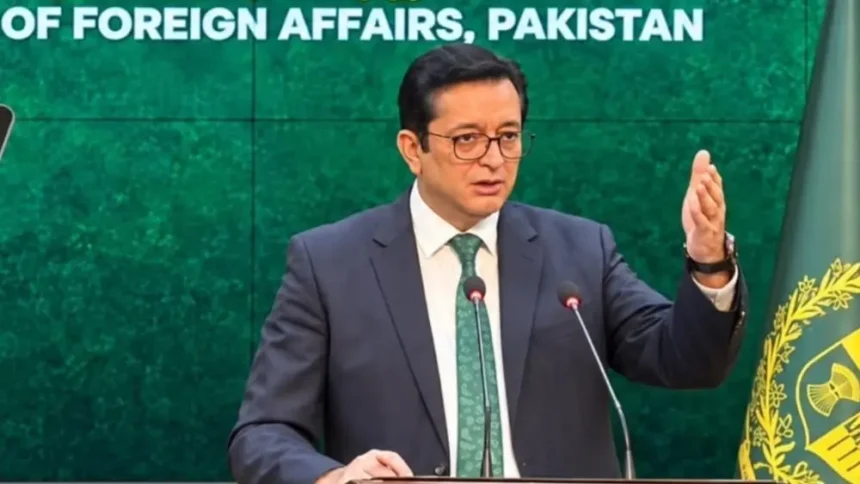
Foreign Office spokesperson Ambassador Sajjad Haider Khan made the remarks during his weekly press briefing in Islamabad on Thursday.
He said Pakistan would continue to stand with the Saudi leadership and people. He also stressed that Islamabad would fulfil its obligations under the Makkah Joint Defence Agreement.
Makkah Agreement Is a Defensive Alliance
Sajjad Haider Khan described the Makkah agreement as a purely defensive arrangement.
Pakistan, Saudi Arabia and Türkiye are members of the agreement. The pact focuses on regional security through deterrence, he said.

However, the spokesperson clarified that there are currently no discussions about an immediate military response to the Houthi attacks.
He said Pakistan would act under the agreement when the situation requires it. The pact states that an armed attack on one member is regarded as an attack on all three.
Pakistan also maintains a separate bilateral defence relationship with Saudi Arabia. Pakistani forces are currently present in the Kingdom for training and logistical purposes.
More Read

The spokesperson added that there is no immediate plan to expand the Makkah alliance. The three member states will first focus on strengthening their own cooperation.
Pakistan Condemns Houthi Attacks
Pakistan has strongly condemned the recent Houthi attacks on Saudi cities and economic facilities.
The attacks on southern Saudi Arabia injured 73 people, according to Saudi authorities. Women and children were among those injured. The strikes also caused fires at energy facilities.
Pakistan has also urged efforts to prevent further escalation in the region. Reuters reported that Islamabad conveyed a Saudi message to Iran asking Tehran to use its influence to restrain the Houthis.
Pakistan Raises Yasin Malik Case
The Foreign Office also condemned what it described as the persecution of Kashmiri leader Yasin Malik.
Sajjad Haider Khan said Malik’s decision to withdraw from his legal defence was a protest against India’s judicial system.

He said Malik’s case raises serious concerns about the treatment of Kashmiris and the state of human rights in Indian-administered Jammu and Kashmir. Pakistan also expressed concern over Malik’s deteriorating health.
The spokesperson urged the United Nations and international human rights organisations to take notice of Malik’s situation.
Pakistan maintains that Jammu and Kashmir remains an unresolved dispute on the UN agenda. It also rejects any unilateral attempt to change the territory’s disputed status.
Pakistan Condemns Saharanpur Mosque Demolition
Pakistan also condemned the demolition of a century-old mosque in Saharanpur, India.
The Foreign Office described the demolition as a serious attack on a historic Islamic place of worship. It also referred to the demolition of the Babri Mosque in 1992 as a symbol of religious intolerance and prejudice.
Pakistan called on the international community to take notice of what it described as continued violations of religious freedom and the destruction of Muslim places of worship.
Sports Should Not Become a Political Tool
The spokesperson also addressed questions about invitations to the South Asian Games.
He said invitations were not issued through Pakistan’s Foreign Office. Instead, the relevant Olympic associations had already sent the invitations.
Pakistan, he said, does not want sports to become a victim of political disputes. Islamabad supports using sporting events to strengthen contacts, cooperation and understanding between countries.
Afghan Students Can Continue Their Studies
The Foreign Office also clarified Pakistan’s position on Afghan students.
Sajjad Haider Khan said there was no blanket decision to stop Afghan students from studying in Pakistan.
Students who hold valid Pakistani visas and remain enrolled in recognised degree programmes can continue their education and complete their studies.
The clarification followed reports of measures affecting Afghan students at medical and dental institutions. The Foreign Office said visa matters would continue to be handled under existing laws and regulations.