

Report by Syed Farzand Ali
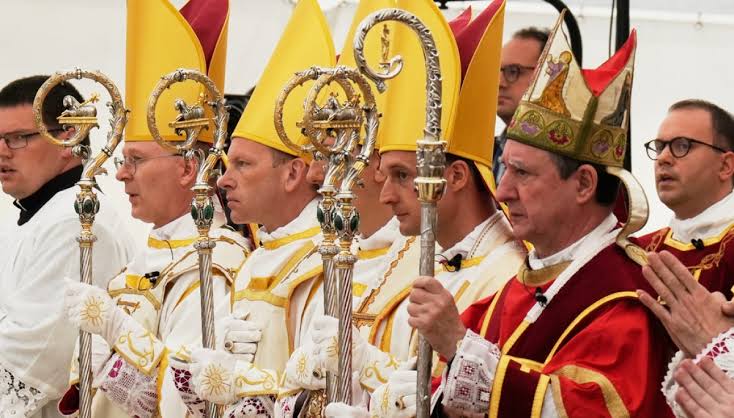
ROME: The Vatican has formally excommunicated the leaders of the Society of Saint Pius X (SSPX) after the breakaway traditionalist Catholic group proceeded with the unauthorized ordination of four bishops despite repeated warnings from Pope Leo XIV.
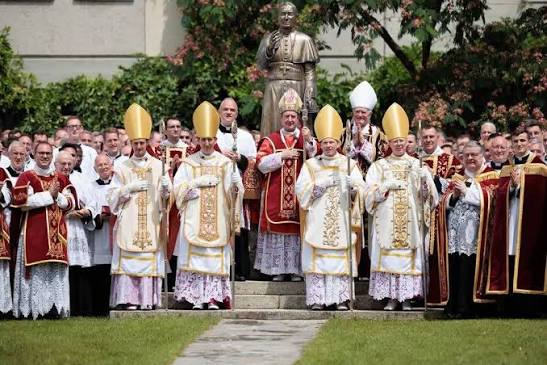
In a decree issued on Thursday by the Vatican’s Dicastery for the Doctrine of the Faith, the Holy See declared that the four newly ordained bishops, along with the two bishops who participated in the ordination ceremony, have incurred automatic excommunication for committing a schismatic act.
The Vatican said the decision follows the group’s refusal to abandon the ordinations despite direct appeals from Pope Leo XIV.
Priests and Supporters Also Declared in Schism
The decree goes beyond previous Vatican sanctions by stating that priests belonging to the Society of Saint Pius X, as well as lay members who formally affiliate themselves with the movement, are also considered to be in schism and are therefore excommunicated.
The Vatican warned clergy and lay Catholics against formally joining or supporting the organization, stating that doing so would automatically result in the same canonical penalty.
Under Catholic Church law, excommunication bars individuals from receiving the sacraments and participating fully in the life of the Church until reconciliation takes place.
Pope Leo XIV Had Issued Final Warning
Just days before the ordinations, Pope Leo XIV made a final appeal urging the group to cancel the ceremony, describing the planned consecrations as a “schismatic act” and a grave offense against Church unity.
More Read
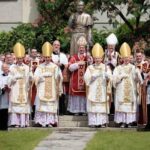
The Society of Saint Pius X nevertheless proceeded with the ordinations on Wednesday at its seminary in Écône, Switzerland, without papal authorization.
The Vatican has not released any further public statement from Pope Leo XIV following the ceremony.
Conditions for Returning to Full Communion
According to Vatican officials, clergy seeking reconciliation with the Catholic Church must personally petition Pope Leo XIV to have the excommunication lifted.
They will also be required to sign a profession of faith, pledge loyalty to the Pope and the Church’s teachings, and publicly refrain from criticizing the pontiff or official Catholic doctrine.
The Vatican emphasized that while disciplinary measures are necessary to preserve Church unity, those wishing to return will be welcomed through an established process of reconciliation.
Stronger Measures Than in 1988
The Society of Saint Pius X was founded in 1970 by French Archbishop Marcel Lefebvre, who opposed reforms introduced by the Second Vatican Council.
More Read
The movement had previously faced excommunication in 1988 after consecrating bishops without papal approval. However, those sanctions primarily targeted the bishops involved.
The latest decree significantly expands the penalties by extending excommunication to clergy and lay supporters who formally adhere to the movement.
It also states that marriages and confessions conducted by SSPX clergy will now be regarded as canonically invalid, reversing limited permissions previously granted during the pontificate of Pope Francis.
Longstanding Dispute Over Church Reforms
The Society of Saint Pius X rejects several key teachings of the Second Vatican Council, including reforms concerning religious freedom, ecumenical dialogue with other Christian denominations and religions, and the introduction of local languages into the Catholic Mass instead of exclusive use of Latin.
The group has also opposed other post-conciliar reforms that have shaped modern Catholic worship and governance.
The SSPX maintains an active presence in several countries, including the United States, where it operates its headquarters in Missouri and a seminary in Virginia.
One of the newly consecrated bishops, Father Michael Goldade, previously served as rector of the society’s seminary in Dillwyn, Virginia.
Church observers say the Vatican’s decision reflects Pope Leo XIV’s determination to safeguard ecclesial unity and reinforce the authority of the papacy amid ongoing tensions with traditionalist groups.