

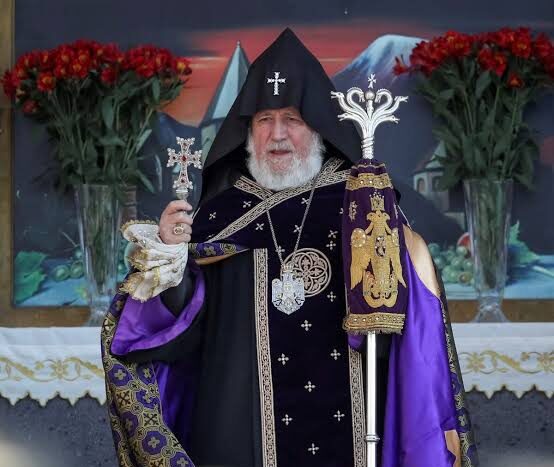
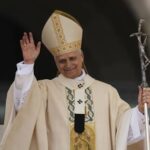
YEREVAN, – The head of the Armenian Apostolic Church, Catholicos Karekin II, and six senior clerics are set to stand trial on Friday in a case that has intensified the confrontation between the Church and the government of Prime Minister Nikol Pashinyan.
The clerics are accused of failing to comply with a civil court order that temporarily reinstated Bishop Gevorg Saroyan, who had previously been defrocked by the Church. If convicted, the defendants could face prison sentences of up to two years.
Historic Church Under Legal Pressure
The case marks the most serious legal challenge faced by the leadership of the Armenian Apostolic Church, one of the world’s oldest Christian institutions. Armenia is widely recognized as the first country to adopt Christianity as a state religion in 301 AD.
The trial comes as political tensions continue to rise over Prime Minister Pashinyan’s domestic policies and his handling of peace negotiations with neighboring Azerbaijan following decades of conflict.
Opposition Alleges Political Motivation
Opposition parties, Church leaders, and several civil society organizations argue that the prosecution is politically motivated and designed to weaken critics of the government.
More Read
Human rights lawyer Anna Melikyan said the case raises concerns about judicial independence and represents interference in the internal affairs of the Church.
She argued that Armenia’s constitution guarantees the independence of the Apostolic Church and warned that politically sensitive cases continue to undermine confidence in the country’s judicial system.
The Armenian government has not officially commented on the latest proceedings.
Pashinyan and Church Remain at Odds
Prime Minister Nikol Pashinyan has repeatedly called for the resignation of Catholicos Karekin II. He has also accused the Church of serving foreign interests, particularly those of Russia, although no public evidence has been presented. The Church has firmly rejected those allegations.
The dispute has grown steadily since Pashinyan began pursuing closer ties with the European Union while reducing Armenia’s traditional dependence on Russia.
Previous Arrests Deepen Crisis
The current trial follows several legal actions against senior clergy in recent years.
Archbishop Bagrat Galstanyan, who led nationwide protests against the government over territorial concessions to Azerbaijan, remains under house arrest awaiting trial.
Another senior archbishop received a two-year prison sentence last year after publicly calling for political change, while several other priests also face legal proceedings.
Political analysts say the widening confrontation reflects a broader struggle between the government and influential opposition institutions.
More Read
Regional and Political Significance
Experts believe the outcome of the trial could have significant implications for Armenia’s domestic politics, religious institutions, and democratic governance.