

More than 50 Muslim and Christian leaders in Nigeria have signed an interfaith peace accord aimed at promoting religious harmony and reducing tensions between the country’s major religious communities.
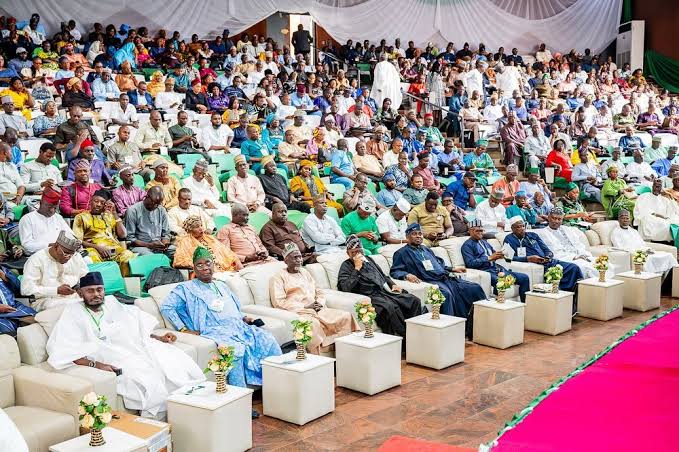
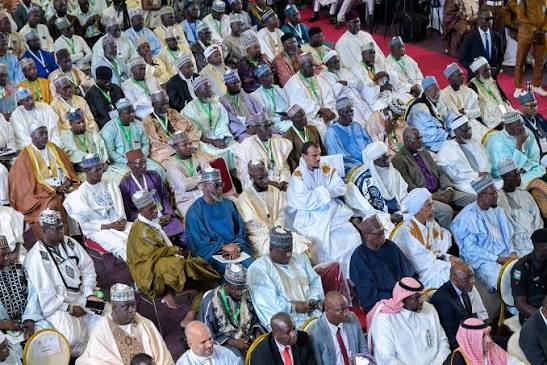
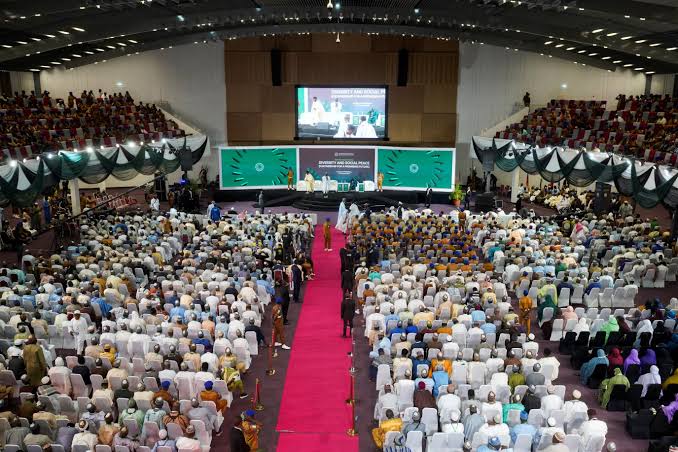
The agreement was signed in Abuja during a two-day conference organized by the Muslim World League. The initiative also established a new body focused on strengthening cooperation between Muslim and Christian communities across Nigeria.
Leaders Call for Religious Harmony
Nigeria has a population of more than 200 million people. Muslims form the majority in much of the north, while Christians are more prevalent in the south. Traditional religious practices also remain part of the country’s diverse religious landscape.
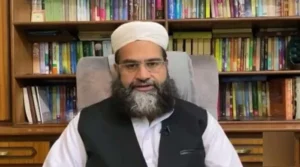
Muslim World League Secretary-General Mohammad Al-Issa welcomed the agreement. He said leaders from both faiths were eager to “turn a new page” in relations.
He also acknowledged the harm caused by extremist ideologies. According to Al-Issa, violence has affected communities across religious lines.

The agreement seeks to reduce religious hostility and encourage cooperation. It also calls for greater responsibility among religious leaders.
John Praise Daniel, chairman of the Northern Christian Religious Leaders’ Assembly, said the pact could help reduce divisive rhetoric.
He called for an end to hate speech and disrespect toward other religious groups. He also opposed language that labels people from other faiths as infidels.
Khalid Abubakar, secretary-general of Jama’atu Nasri Islam, said the agreement does not ask anyone to abandon their religion. Instead, he said, it promotes cooperation and peaceful coexistence.
Nigeria Faces Long-Running Security Challenges
Nigeria has faced Islamist insurgency for more than 15 years. Groups such as Boko Haram and Islamic State West Africa Province have carried out deadly attacks, particularly in the northeast.
The violence has killed thousands of people. Although Christians have also been among the victims, analysts and rights groups say Muslims make up the majority of those killed in the insurgency.
The new accord comes amid continued efforts to address insecurity and religious tensions across the country.
Trump’s Earlier Remarks Raised International Attention
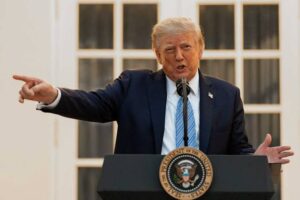
Religious tensions in Nigeria gained international attention after U.S. President Donald Trump criticized the country in November 2025.
Trump described Nigeria as a “disgraced country” and threatened possible military action over what he described as attacks against Christians by Islamist militants.
However, neither the official statements on the peace accord nor the conference organizers referred directly to Trump’s remarks.
Instead, Nigerian authorities and community leaders have focused on improving security and strengthening relations between religious groups.
Government Backs Interfaith Cooperation
Nigeria’s Deputy Senate President Barau Jibrin represented President Bola Tinubu at the signing ceremony. Three governors from northern states also attended the event.
Jibrin said the government was committed to maintaining national unity despite religious and other differences.
The agreement comes ahead of Nigeria’s January 2027 election. Religion is expected to remain an important factor in the country’s political debate.
President Tinubu’s ruling All Progressives Congress is again using a presidential ticket featuring two Muslim candidates. The decision breaks with Nigeria’s long-standing practice of balancing presidential tickets between its two largest religious communities.
The new interfaith initiative could therefore play an important role in promoting dialogue and reducing religious tensions ahead of the election.