

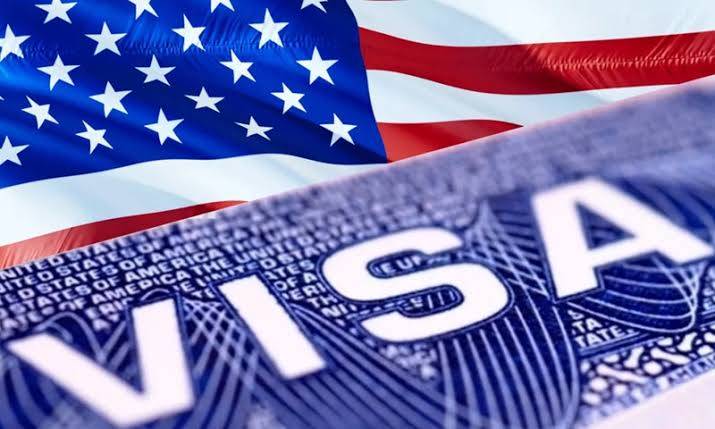
The Trump administration has moved to formalize a $103,265 fee for new H-1B visas, potentially making one of the biggest increases in the cost of the US skilled-worker visa program permanent.
The US Department of Homeland Security (DHS) published the proposed regulation on Monday. The proposal follows President Donald Trump’s decision last year to impose a fee of more than $100,000 on certain new H-1B visas.
The earlier policy faced legal challenges. A federal judge ruled in June that the fee was unlawful and blocked the administration from collecting it. Appeals courts are now reviewing the legal dispute.
Proposed H-1B fee reaches $103,265
The proposed DHS regulation would set the new fee at $103,265.
The proposal will open a 30-day public comment period after its formal publication in the Federal Register. The administration could finalize the regulation by the end of the year.

Trump’s original proclamation expires in September, one year after its introduction. However, it directed the Department of Homeland Security to create regulations that could make the fee permanent.
The proposed fee would represent a major increase from the typical cost of an H-1B visa. Employers have historically paid roughly $2,000 to $5,000 in government fees, depending on the circumstances of the application.
H-1B visas widely used by US employers
The H-1B program allows US employers to hire foreign workers for specialized occupations.
More Read

The program provides 65,000 visas each year. It also includes another 20,000 visas for foreign workers with advanced degrees from US institutions.
H-1B visas generally allow workers to remain in the United States for three to six years.
Technology companies, universities and research institutions rely heavily on the program to recruit skilled workers from abroad.
Trump administration faces strong opposition
Trump and other critics argue that some companies misuse the H-1B system to replace American workers with lower-cost foreign employees.
Business groups and many companies, however, argue that the program helps address shortages of qualified workers. They also say it allows US employers to recruit highly skilled international talent.
Court filings show that about 70 employers had paid the $100,000 fee for 85 visa applications by late February.
Legal challenges continue
Several groups are challenging the H-1B fee in court.
The US Chamber of Commerce, Democratic-led states, unions and employer coalitions have argued that the president cannot use immigration powers to override the law that created the H-1B program.
They also argue that the Department of Homeland Security cannot impose fees or other revenue-generating measures without authorization from Congress.
The Trump administration rejects those arguments. Officials say the charge is not a traditional tax and argue that courts have limited authority to question the president’s power to restrict the entry of foreign nationals.
The existing lawsuits could also be amended to challenge the new regulation if the administration finalizes it.
H-1B demand has already declined
The proposed fee comes as H-1B demand has fallen amid the Trump administration’s broader immigration restrictions.
US employers registered for about 344,000 H-1B visas last year, according to US government data. That figure was more than 25% lower than the 2024 level and less than half the roughly 794,000 applications recorded in 2023.
The administration has also introduced enhanced screening for H-1B applicants.
In addition, DHS has proposed a new visa selection system that would give greater weight to higher-skilled and higher-paid workers.
Earlier this month, the department separately proposed fees of up to $4,500 for some applications involving H-1B workers seeking to extend their stay or transfer to the United States from another country.